Brewing Tips for the Perfect Cup of Coffee
- eric31024
- Jun 25
- 4 min read
Coffee is more than just a drink; it's a ritual, a moment of pause in our busy lives. Whether you're a casual drinker or a dedicated aficionado, brewing the perfect cup of coffee can elevate your experience. In this guide, we will explore essential tips and techniques to help you brew coffee that not only tastes great but also invigorates your senses.

Understanding Coffee Beans
Types of Coffee Beans
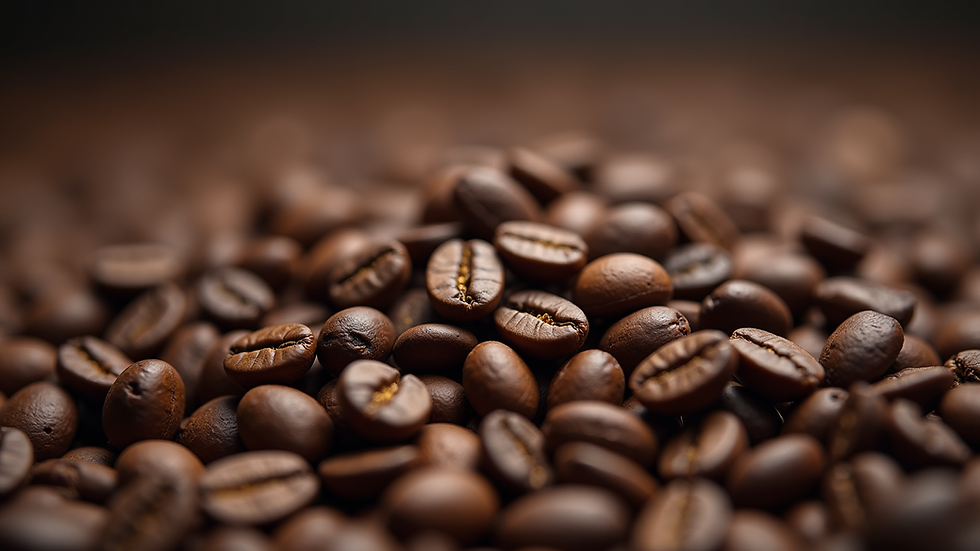
The foundation of a great cup of coffee lies in the beans. There are four main types of coffee beans:
Arabica: Known for its smooth, mild flavor and aromatic qualities, Arabica beans are the most popular type, making up about 60-70% of the world's coffee production.
Robusta: These beans have a stronger, more bitter flavor and contain more caffeine. They are often used in espresso blends.
Liberica: With a unique, fruity flavor, Liberica beans are less common and primarily grown in certain regions of West Africa and Southeast Asia.
Excelsa: Often used to add complexity to blends, Excelsa beans have a tart, fruity profile.
Choosing the Right Beans
When selecting coffee beans, consider the following:
Freshness: Always choose freshly roasted beans. Look for a roast date on the packaging and aim to use them within a few weeks of that date.
Origin: Different regions produce beans with distinct flavor profiles. For example, Ethiopian beans are often fruity and floral, while Colombian beans tend to be nutty and balanced.
Roast Level: Light roasts preserve the beans' natural flavors, while dark roasts offer a bolder, more robust taste. Experiment to find your preference.
Grinding Your Coffee
Importance of Grind Size
The grind size of your coffee beans significantly impacts the brewing process. Here’s a quick guide:
Coarse: Best for French press and cold brew.
Medium: Ideal for drip coffee makers and pour-over methods.
Fine: Suitable for espresso machines and AeroPress.
Extra Fine: Used for Turkish coffee.
Grinding Techniques
Investing in a good burr grinder can make a noticeable difference in your coffee's flavor. Burr grinders provide a consistent grind size, which is crucial for even extraction. Avoid blade grinders, as they produce uneven grinds that can lead to bitter or weak coffee.
Brewing Methods
French Press
The French press is a classic method that allows for full extraction of flavors. Here’s how to brew:
Ingredients: Use a coarse grind of coffee (about 1:15 coffee-to-water ratio).
Water Temperature: Heat water to around 200°F (93°C).
Brewing Time: Steep for 4 minutes before pressing down the plunger.
Pour-Over
Pour-over coffee offers control over the brewing process, allowing you to highlight specific flavors. Follow these steps:
Ingredients: Use a medium grind (1:16 coffee-to-water ratio).
Water Temperature: Heat water to 200°F (93°C).
Brewing Technique: Pour water in a circular motion over the coffee grounds, allowing it to bloom for 30 seconds before continuing to pour.
Espresso
Espresso is a concentrated coffee brewed by forcing hot water through finely-ground coffee. Here’s how to make it:
Ingredients: Use a fine grind (about 1:2 coffee-to-water ratio).
Water Temperature: Aim for 190°F to 205°F (88°C to 96°C).
Brewing Time: Brew for 25-30 seconds for a rich shot of espresso.
Water Quality
The Role of Water
Water makes up about 98% of your cup of coffee, so its quality is crucial. Here are some tips:
Use Filtered Water: Tap water can contain impurities that affect flavor. Filtered water is often the best choice.
Temperature: The ideal brewing temperature is between 195°F and 205°F (90°C to 96°C). Too hot or too cold can lead to over-extraction or under-extraction.
Experimenting with Ratios
Finding Your Perfect Brew
Coffee brewing is an art, and finding the right coffee-to-water ratio is essential. A general guideline is:
Drip Coffee: 1:16 (1 gram of coffee for every 16 grams of water)
French Press: 1:15
Espresso: 1:2
Feel free to adjust these ratios based on your taste preferences. If your coffee tastes too strong, add more water; if it’s too weak, increase the coffee amount.
Enhancing Flavor
Adding Ingredients
While many enjoy coffee black, experimenting with additional ingredients can enhance your brew:
Milk or Cream: Adds richness and can balance acidity.
Sugar or Sweeteners: Adjust sweetness to your liking.
Spices: Cinnamon, nutmeg, or vanilla can add unique flavors.
Storing Coffee
Proper storage is essential to maintain freshness. Follow these tips:
Airtight Container: Store coffee beans in an airtight container away from light, heat, and moisture.
Avoid Refrigeration: Refrigerating coffee can introduce moisture and odors. Instead, keep it in a cool, dark place.
Troubleshooting Common Issues
Bitter Coffee
If your coffee tastes bitter, consider these factors:
Over-Extraction: This can happen if you brew for too long or use too fine a grind.
Water Temperature: Water that is too hot can extract undesirable flavors.
Weak Coffee
If your coffee is too weak, try:
Increasing Coffee Amount: Use more coffee grounds relative to water.
Adjusting Grind Size: A finer grind can lead to a stronger brew.
Conclusion
Brewing the perfect cup of coffee is a delightful journey of exploration and experimentation. By understanding your beans, mastering grind sizes, and refining your brewing techniques, you can create a cup that suits your taste perfectly. Remember, the key is to enjoy the process and savor each sip. So, gather your tools, select your favorite beans, and start brewing your perfect cup of coffee today!

Comments